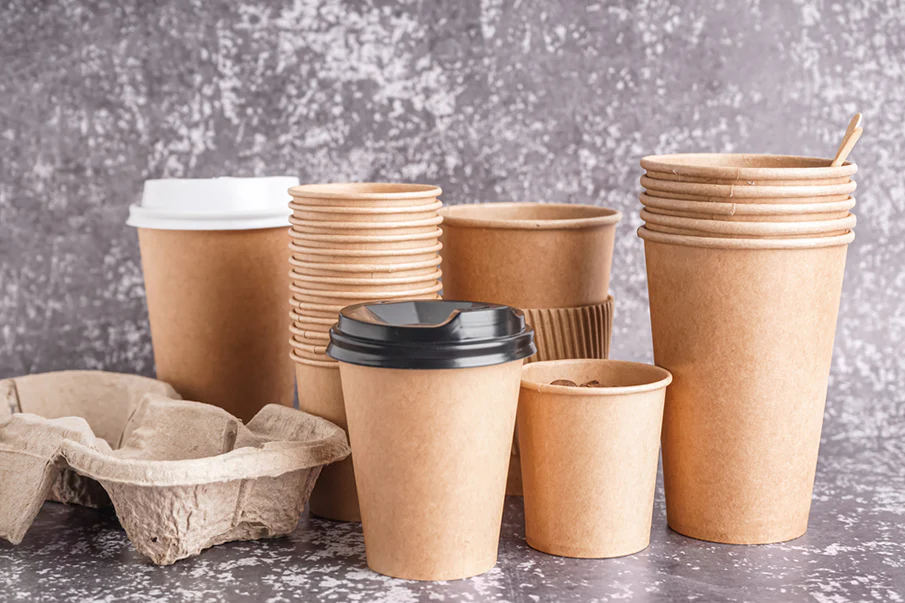
Firms study sales patterns to set fair measures that suit regular buyers. Teams test grip style and lid fit to make handling safe and neat. They set simple charts to help staff pour consistent fills that please customers. Mid purchase guides often show comparisons that point buyers toward the right pick. Firms also check material choice for strength, weight, and cost so that cups last while keeping costs modest. Staff training helps with steady pours that lower spills and waste. Clear goals help stores meet demand while keeping service quick. This trend links product design with store planning. Merchants who track returns make small changes to improve hold size and lid fit. Such practical steps shape better serving plans for regular trade. Customers gain trust when fills match their preferences. Firms that adapt fast keep loyal buyers. Smart plans also cut waste by matching supply to real need. This shift shows business focus moving toward user-ready measures that keep service smooth while keeping costs under control. The term coffee cup sizes often appear in planning notes to keep all teams aligned.
- Balanced Fill Guide for Staff
- Simple Volume Chart for Service
- Grip Test Rules for Cups
- Lid Fit Check for Safety
- Material Choice
- Cost Match Plan for Orders
- Staff Training for Consistency
- Waste Cut Steps for Stores
Stores adopt small tests that prove which fill sizes suit most buyers. Teams run trials that compare two sizes to see which one sells more. Design teams tweak cup wall shape to aid grip while keeping spill risk low. Supply teams set order cycles to match real use, so stock lasts without waste. Shops note feedback from buyers to refine size ranges through steady checks.
Clear Data Path
Retail teams track daily sales to find popular fills. Simple charts show which sizes move fastest. Orders follow these real trends. Staff use visual marks to pour steady fills. Stores save money by ordering the right paper bag sizes amounts.
Smart Supply Loop
Firms link sales notes with supplier lead times to avoid gaps. Regular reorders keep the stock level steady. This helps stores serve buyers without delay.
Fresh Results
Shops that use clear tests and charts gain steady sales growth. Staff who train on simple fill steps pour with ease, which helps reduce waste. Design tweaks that focus on grip shape and lid fit improve user comfort, which raises repeat visits. Supply rules that link sales data with reorder timing keep shelves stocked while lowering excess inventory. This combined approach helps firms meet buyer needs with fewer returns and lower costs. Teams that share clear goals keep all steps aligned from design to service, which builds steady business value. Simple changes made through tests lead to smoother serving and smarter stock use. Firms that act on real numbers move faster toward better offers that match buyer demand.
FAQ
1. Why test cup sizes?
To match buyer needs and reduce waste.
2. Do grip tests help?
Yes, they improve handling and lower spills.
3. How do orders adapt?
Orders follow sales data to keep stock steady.