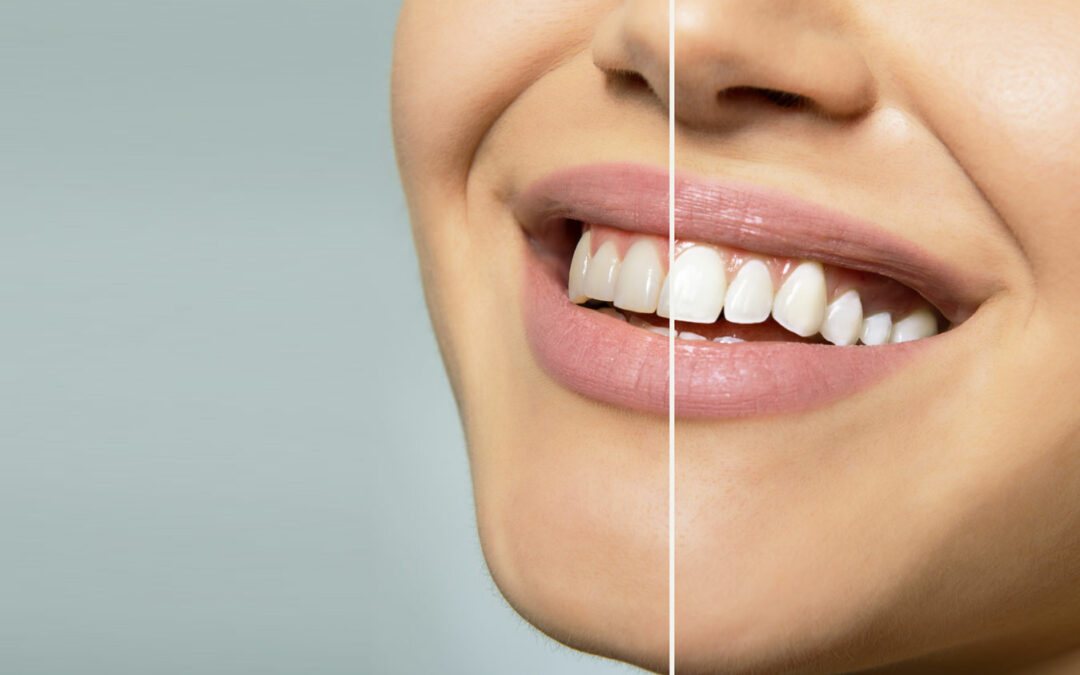
The decision to invest in professional teeth whitening Macleod treatments represents a commitment to enhancing one’s appearance and confidence. However, many individuals discover that their newly brightened smile doesn’t maintain its lustre for as long as anticipated. The primary culprit behind this disappointment often sits in their daily beverage choices, which can significantly influence how long those pearly whites remain radiant.
Understanding the science behind tooth discolouration reveals that enamel, whilst remarkably strong, is actually porous in nature. This characteristic means that pigmented molecules from various drinks can penetrate the tooth surface and cause staining over time. The frequency and manner in which people consume certain beverages plays a crucial role in determining whether their whitening results will last months or merely weeks.
The Science of Staining: How Beverages Affect Tooth Enamel
Tooth enamel consists of microscopic crystalline rods that create tiny spaces where staining agents can accumulate. When individuals consume beverages with strong chromogens—pigmented molecules that readily attach to enamel—these compounds infiltrate these spaces and gradually darken the tooth surface. Research on dental discolouration mechanisms demonstrates that certain chemical properties in beverages accelerate this staining process considerably.
The acidity level of drinks also contributes significantly to how quickly teeth lose their whiteness. Acidic beverages temporarily soften the enamel, making it more susceptible to staining compounds. This dual action—acid erosion combined with pigment deposition—creates the perfect conditions for rapid discolouration, particularly in the hours immediately following a whitening treatment when enamel is most vulnerable.
Common Culprits: Beverages That Compromise Whitening Results
Coffee and Tea
These morning staples rank amongst the most significant contributors to tooth staining. Coffee contains tannins and chromogens that bind readily to enamel, whilst tea—particularly black varieties—possesses even higher concentrations of these staining compounds. The temperature at which these beverages are consumed can also intensify their staining potential, as heat opens enamel pores wider.
Red Wine
Wine enthusiasts face particular challenges in maintaining their whitening results. Red wine combines multiple staining factors: rich chromogens, high tannin content, and acidity. This trifecta creates an environment where discolouration occurs rapidly and penetrates deeply into the tooth structure.
Soft Drinks and Sports Beverages
Carbonated soft drinks present a double threat to whitened teeth through their combination of artificial colourants and high acidity levels. Dark-coloured fizzy drinks contain phosphoric and citric acids that erode enamel whilst depositing pigments. Sports drinks, often perceived as healthier alternatives, frequently contain similar acidic compounds and artificial dyes that compromise whitening longevity just as readily.
Fruit Juices
Natural fruit juices might seem innocuous, but their high acid content and natural pigments can substantially diminish whitening results. Deeply coloured juices such as cranberry, pomegranate, and grape varieties contain anthocyanins and other compounds that stain teeth remarkably quickly, particularly when consumed regularly throughout the day.
Protective Strategies for Preserving Your Whitened Smile
Maintaining whitening results doesn’t necessarily require abandoning favourite beverages entirely. According to guidance on maintaining whitened teeth, several practical approaches can minimise staining whilst allowing individuals to enjoy their preferred drinks. Using a straw positions beverages away from front teeth, reducing direct contact with enamel surfaces.
Timing consumption strategically also proves beneficial. Drinking staining beverages during meals rather than sipping throughout the day limits exposure time. Rinsing the mouth with water immediately after consuming pigmented drinks helps wash away staining compounds before they penetrate enamel. Waiting at least thirty minutes before brushing allows acid-softened enamel to reharden, preventing abrasive damage.
The Role of Hydration in Maintaining Whitening Results
Water remains the most tooth-friendly beverage choice for those seeking to preserve their whitening investment. Studies examining beverage effects on dental enamel consistently demonstrate that water consumption promotes saliva production, which naturally protects and remineralises teeth. Alternating between staining beverages and water throughout the day provides a simple yet powerful strategy for extending whitening longevity.
Milk and white tea offer alternatives for those seeking variety without compromising results. These lighter beverages contain minimal staining compounds whilst providing enjoyment and, in milk’s case, calcium that supports enamel strength.
Preserving Your Investment in a Brighter Smile
The longevity of teeth whitening treatments fundamentally depends on daily beverage choices and consumption habits. Whilst certain drinks inevitably pose challenges to maintaining brightness, understanding their staining mechanisms empowers individuals to make informed decisions. Through strategic timing, protective techniques, and mindful selection of beverages, anyone can significantly extend the life of their whitening results and continue enjoying a radiant, confident smile for considerably longer.