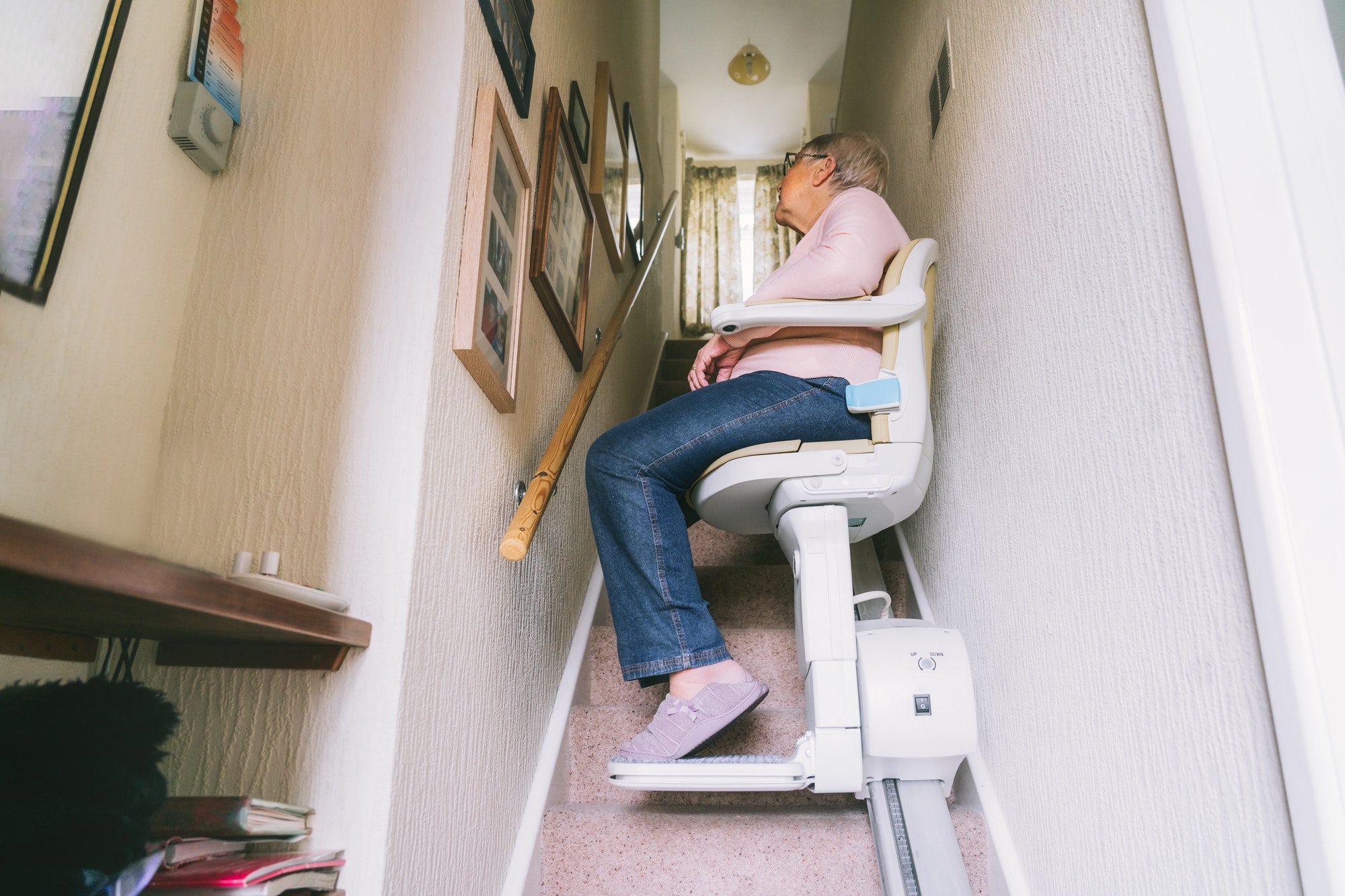
A staircase may follow one direct path or include bends between different levels. Stairlifts can make upper floors easier to reach when regular stair use becomes challenging. Straight models suit continuous stairways while curved choices can follow changing directions. The right selection depends on layout, available room, landing space, controls, and household routines, making stairlifts long island a practical choice for accessible movement at home.
Matching Different Staircase Shapes
A continuous staircase usually needs equipment designed for one direct route. A staircase with turns requires a design that follows its changing direction. Split levels can also affect where the seat starts or stops. Checking every section helps identify the most suitable arrangement for the home.
Considering Everyday Movement Needs
Daily routines should guide the selection instead of focusing only on staircase appearance. Someone using one level may need a simple arrangement for regular trips. Frequent movement between several floors can require broader coverage across the staircase. Professional guidance from stairlifts long island can also help identify a suitable option for comfortable and convenient household use.
Making Good Use Of Space
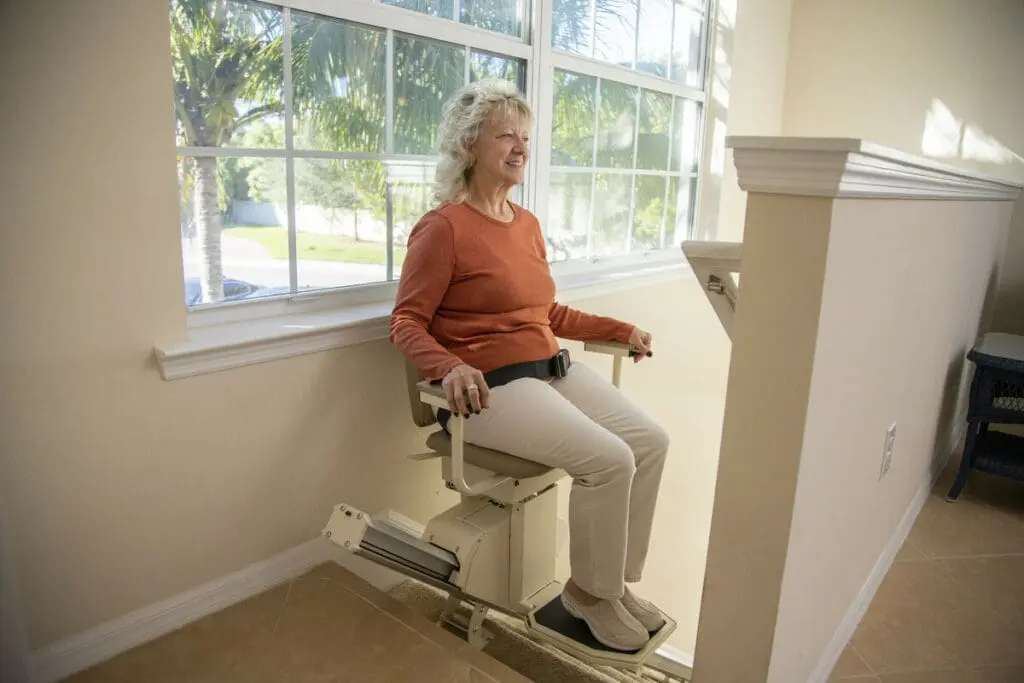
Available room beside the staircase can influence the practical choice. A suitable setup should leave enough walking room for other household members. Folding components can help preserve useful space near narrow areas. Doorways and nearby furniture should also be checked before installation.
Checking Access Around Landings
Landing areas need careful attention because they affect entry and exit. A direct staircase may provide a simple stopping point at either end. Curved arrangements can require more planning when floors connect through different directions. These checks can help maintain clear access around the staircase.
Reviewing Installation Requirements
Professional assessment can identify measurements that are difficult to judge without proper tools. The installer can check staircase width, landing positions, controls, seating height, and available clearance. Consider these points when preparing for installation:
- Measure staircase width before selecting suitable equipment for regular household use.
- Check landing space at both ends for easier entry.
- Review nearby doors that could affect access around stairs.
- Consider folding parts where walking space remains limited nearby.
- Confirm control positions allow convenient operation during everyday movement.
The most suitable choice depends on how the staircase is built and used each day. Direct stairways generally suit straight designs, while turning routes may need curved arrangements. Reviewing space, landings, movement patterns, and fitting requirements creates a clearer path toward selection. Careful planning can help households choose equipment that fits their staircase without creating unnecessary restrictions around shared areas.
FAQ
Which staircase works best with straight equipment?
A continuous staircase with one direction generally suits straight equipment.
When is curved equipment more suitable for homes?
It suits staircases containing bends, turns, or changing floor directions.
What should homeowners check before selecting equipment?
They should assess staircase shape, space, landings, controls, and installation needs.