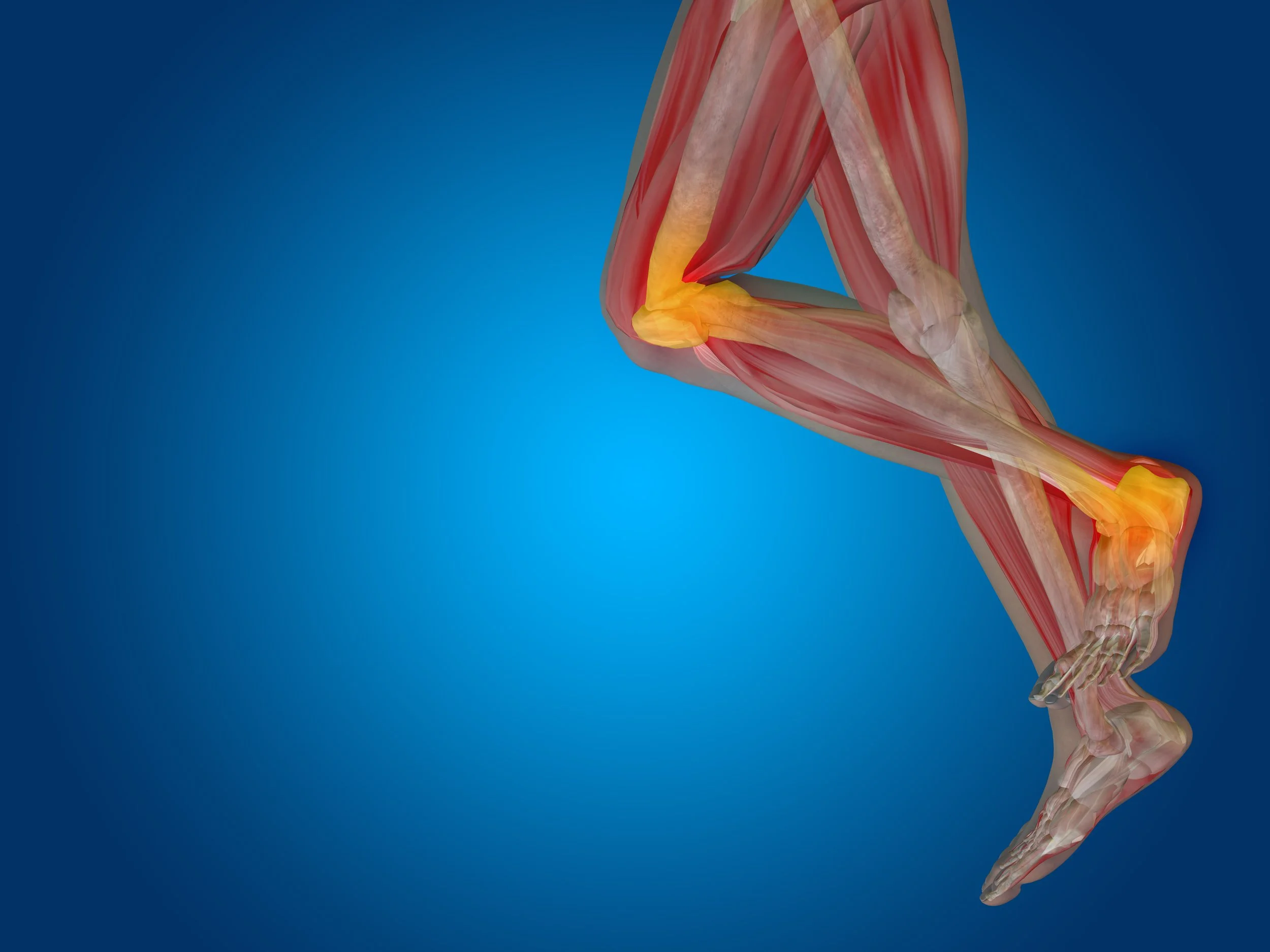
A broken bone begins a demanding biological repair process. Stability, blood supply, nutrition, and movement all influence fracture recovery. Conventional treatment addresses these needs through proven clinical methods. Peptides offer another area of interest, particularly for tissue signaling. Still, promise and proof remain different matters. The right approach depends on injury type, healing progress, and medical assessment.
Conventional care builds the healing base
Treatment begins by giving damaged bone enough stability. A cast, brace, or surgical fixation may provide support. That protection allows early repair tissue to develop safely. Nutrition then supplies materials needed for rebuilding bone. As strength returns, guided movement helps restore normal function.
- Imaging tracks alignment and structural progress.
- Immobilization shields vulnerable areas during early healing.
- Surgery can stabilize complicated breaks effectively.
- Rehabilitation restores movement after sufficient repair.
Peptides may affect biological repair signals
Peptides have attracted attention because certain compounds influence cellular activity. Some experimental substances may affect inflammation or tissue signaling. Those effects create interest around bone and soft-tissue repair. However, laboratory activity does not confirm patient benefit. Clinical decisions still require stronger evidence and careful supervision.
For fracture recovery, peptide use should remain medically guided. A promising mechanism cannot replace established fracture management.
Evidence matters more than novelty alone
New therapies can sound appealing when standard healing feels slow. Yet treatment value depends on demonstrated results and safety. Conventional methods have defined uses, monitoring practices, and clinical experience. Experimental compounds may have less predictable effects or quality. That difference matters when healing depends upon reliable biological progress.
- Clinical evidence should shape treatment decisions first.
- Regulatory approval provides another important safety checkpoint.
- Product quality can differ between unverified sources.
- Unknown interactions may complicate existing medical treatment.
Rehabilitation changes what healing can achieve
Bone repair represents only part of successful recovery. Muscles can weaken during prolonged immobilization and restricted movement. Joints may also lose flexibility during that period. Once healing permits exercise, controlled loading becomes increasingly useful. A therapist can adjust activity according to strength and symptoms.
That progression helps connect structural healing with everyday function. Walking, lifting, or climbing stairs then becomes easier again.
Evidence should guide newer treatment choices
Peptides may eventually earn clearer roles in bone care. For now, established treatment remains the dependable foundation. Stability, nutrition, monitoring, and rehabilitation each serve distinct purposes. New options deserve consideration only when evidence supports their use.
A healed bone means little without restored function. That final goal gives rehabilitation its lasting importance.
FAQs
Are peptides established treatments for bone healing?
Some compounds remain experimental, with limited evidence supporting routine clinical use.
Can peptides replace casts or surgery?
No, structural stability remains essential for fractures requiring immobilization or fixation.
Why does rehabilitation matter after bone repair?
It rebuilds strength, mobility, coordination, and confidence following restricted movement.
Does every fracture require the same approach?
No, treatment depends on location, severity, stability, health, and healing progress.